
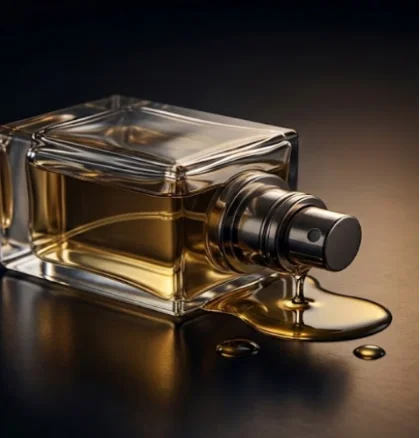
Opening a fresh carton of newly manufactured fragrances only to be hit by the overwhelming smell of raw alcohol is a terrible experience. You dig through the packaging and find half the boxes completely soaked. That is a real supply chain nightmare. Finding truly leak-proof perfume bottles is not just about keeping the liquid inside the glass. It is about saving your inventory from the trash bin and keeping angry consumers away from your online review section.
A lot of common advice just tells people to screw the cap on tighter. But for a brand owner, an indie perfumer, or a wholesale buyer, the real problem starts way before the product ever hits a retail shelf. It starts on the factory floor. Let’s look at what actually causes perfume packaging defects during production and how you can spot these red flags before you wire your deposit.
Reason 1: Why Do Pump Heads and Neck Threads Mismatch?
You buy your glass bottles from one factory and your spray pumps from another just to save a few cents on the unit price. This happens a lot in this industry. The issue is that every single manufacturer operates on different machine tolerance levels.
The Hidden Cost of Mixed Batching
If a glass neck thread is even 0.5mm too wide for the chosen spray pump, those two pieces will never seal together perfectly. You might not notice it when the bottle is empty on your desk. But once the pressure builds up with liquid inside, it slowly leaks. You must insist on compatibility testing for perfume packaging before mass production. Getting your bottles and sprayers from a single factory makes a huge difference. If you absolutely have to mix suppliers, always send physical glass samples to your pump manufacturer so they can calibrate their molding machines to your exact dimensions.
Reason 2: Does Poor Thread Precision Ruin Screw Glass Bottles?
Screw tops are heavily favored right now because they let buyers refill their favorite scents at home. This is a massive selling point for eco-friendly marketing. But bad factory molding turns this great feature into a sticky disaster.
How Glass Molding Affects Your Seal
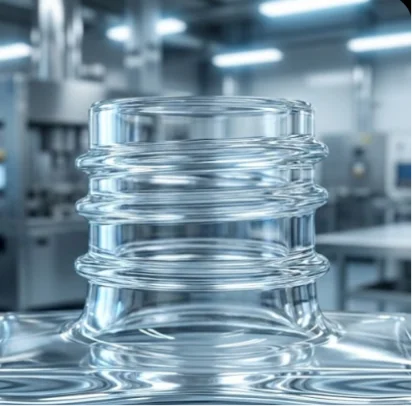
When factories use old or cheap molds, the molten glass distributes unevenly around the neck of the bottle. You end up with shallow threads or tiny little bumps right on the rim. A flat plastic pump collar cannot grip a bumpy glass surface tightly. High-purity glass molded with exact precision is non-negotiable here. A thick glass bottom might look incredibly luxurious on a MUB 50ml square glass perfume bottle, but the real engineering magic actually happens at the neck. Those threads need to be perfectly smooth to form a physical barrier against escaping liquid.
Reason 3: Are Inferior Gaskets Degraded by Fragrance Oils?
Perfume is basically a tough mixture of alcohol, water, and highly concentrated essential oils. This mixture acts like a mild chemical solvent over time.
The Chemical Reaction Inside the Cap
If your supplier tries to cut costs by using cheap rubber or low-grade plastic for the inner sealing gaskets, those fragrance oils will eat right through them. After just a few months sitting in a hot warehouse, those cheap gaskets get hard, crack, or dissolve completely. Without that tiny flexible barrier, the liquid just seeps right out into the cap. Always ask for chemical resistance gaskets that meet FDA and EU 10/2011 food-contact material standards. Your packaging needs to withstand harsh alcohol for years without breaking down.
Reason 4: Can Incorrect Capping Machinery Settings Cause Leaks?
Sometimes the glass mold is flawless and the gasket is made of high-quality material. The leak actually happens later at the filling and assembly facility.
The Filling Line Torque Issue
When the automated machines screw the caps onto the filled bottles, the torque setting has to be exact. If the machine pushes down way too hard, it crushes and permanently deforms the inner sealing ring. If it is set too loose, the liquid simply escapes during rough transit. You need to ask your packaging manufacturer for the exact torque specifications for their specific caps. Give these exact numbers to your filling factory before they run a 10,000-piece batch.
Reason 5: Are You Skipping Stringent Factory Quality Control?
This is probably the biggest trap in overseas sourcing. You approve a golden sample that looks and feels flawless. Then the mass production arrives by sea freight and 15% of the bottles leak.
The Reality of Mass Production
Factories rushing to meet tight holiday deadlines sometimes skip the vacuum or pressure tests to save a day or two. This is exactly how bad units end up on a ship heading to your warehouse. You have to demand written proof of testing protocols. Quality control should not just be a worker doing a quick visual check for scratches. It needs to involve testing machinery pulling negative pressure on filled bottles to simulate the high altitudes of air freight.
How Can a Reliable Perfume Bottle Supplier Protect Your Brand?
Finding a reliable perfume bottle supplier takes the guesswork and the stress out of this entire process. This is exactly where MUB steps in to help. With over 15 years in the packaging industry and a massive 5,000-square-meter facility in Yiwu, China, MUB handles the technical headaches so you can focus entirely on marketing your brand.
Real Factory Standards
When you source your screw glass bottles from MUB, you get a three-stage quality control system right out of the box. Every single batch goes through 100% leak-proof testing directly on the production line. Nobody wants to deal with angry customer returns, so MUB uses a strict AQL 2.5 quality control standard before anything goes into a shipping carton. They even throw in 5% free spare parts with your order to cover any freak accidents during transit. With ISO 9001 certification and a minimum order quantity starting at just 500 pieces for standard designs, it is a setup built to protect your brand reputation and your profit margins.
FAQ
Q1: What materials make a perfume bottle truly safe from chemical corrosion?
A: High-clear glass that meets EU 10/2011 and FDA food-contact standards is the safest choice. It handles high-alcohol content perfectly and remains completely lead-free and non-toxic over the product’s lifespan.
Q2: How do you verify the quality of mass-produced bottles before shipping?
A: A serious factory will do raw material checks first, perform 100% leak testing during the actual manufacturing phase, and execute a final AQL 2.5 sampling inspection before loading the shipping containers.
Q3: Is it possible to customize small batches without risking quality?
A: Yes. Some direct manufacturers allow an MOQ of just 500 pieces for standard designs while still offering professional screen printing and hot stamping. The key is making sure the color deviation stays under 5% and easily passes 100-wipe alcohol rub tests.
Q4: What happens if I receive a shipment with leaking or broken units?
A: You should report the issue with clear photos or videos within 48 hours of delivery. A good supplier will replace the damaged units and typically includes about 5% free spare parts in the original shipment to make up for minor logistics losses.
Q5: How long does it take to get a custom leak-proof bottle design manufactured?
A: Standard items usually take 7 to 10 days. If you are doing a fully custom shape, expect about 15 to 20 days. This timeline includes 3D design proofing, physical sample creation, and the final bulk production run.