
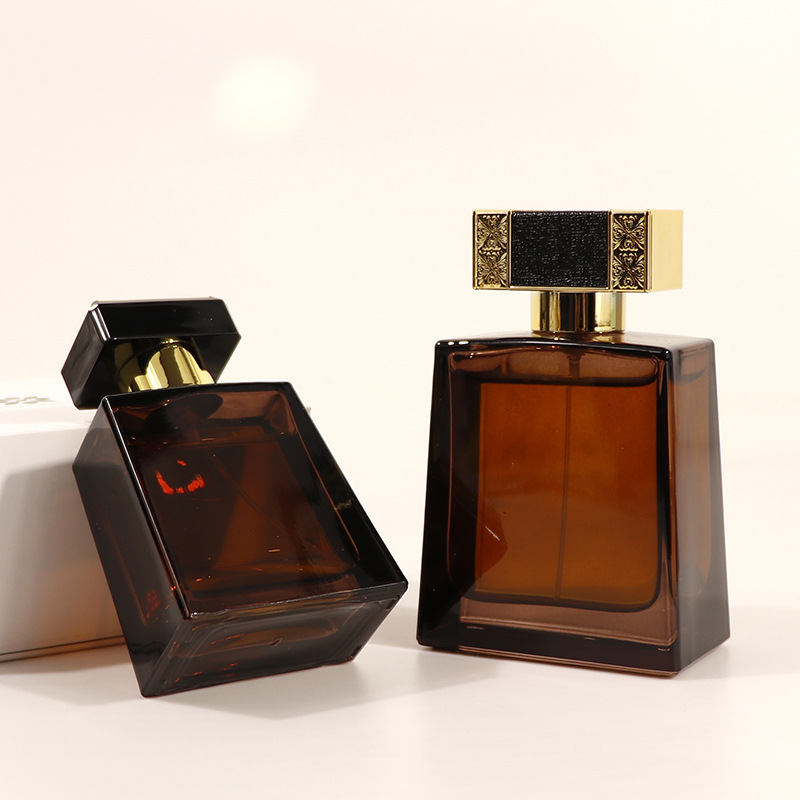
يُعدّ اختيار مواد التغليف جزءًا أساسيًا من تطوير منتجات العطور للعلامات التجارية. فإلى جانب حفظ سائل العطر، تُسهم زجاجات العطور في تثبيت تركيبة العطر، وتشكيل الانطباع الأولي لدى المستهلكين، والتحكم في تكاليف الإنتاج والخدمات اللوجستية، وتحديد مكانة المنتج في السوق، بدءًا من العطور اليومية ذات الأسعار المعقولة وصولًا إلى العطور الفاخرة والقابلة لإعادة التعبئة والصديقة للبيئة. ويُعدّ اختيار المواد المناسبة أمرًا بالغ الأهمية للتنافسية في السوق وتعزيز صورة العلامة التجارية عبر قنوات البيع الإلكترونية والتقليدية.
يُعدّ الزجاج المادة الأمثل والأكثر توازناً وفعاليةً لمعظم ماركات العطور، إذ يتميز بتوافقه الممتاز مع تركيبات العطور، وجماله الراقي، وإمكانية تخصيصه بسهولة، وقيمته الدائمة للعلامة التجارية. كما تُقدّم مواد أخرى، كالبلاستيك والألومنيوم والكريستال والسيراميك، مزايا فريدة، ويمكن استخدامها في تطبيقات مُخصصة لقطاعات مُحددة من المنتجات.
الخلاصة السريعة: يبقى الزجاج الخيار الأفضل لمعظم منتجات العطور
يُعدّ الزجاج المادة المثالية متعددة الاستخدامات لمنتجات العطور الشائعة. فخموله الكيميائي يمنع تفاعله مع تركيبات العطور الكحولية، مما يحافظ على نقاء العطر وثباته، ويمنحه ملمسًا بصريًا راقيًا. إضافةً إلى ذلك، فهو يدعم معالجات سطحية شاملة كالتزجيج والطلاء والطباعة الحريرية والختم الساخن، مما يُمكّن العلامات التجارية من تمييز منتجاتها بفعالية.
يُوفر الزجاج مرونة تصميمية استثنائية لتغليف العطور حسب الطلب، مع خيارات متنوعة من المواد والأشكال والمواصفات الهيكلية، بما في ذلك التصاميم القابلة لإعادة التعبئة، وذات العنق اللولبي، وذات العنق المضغوط. وتناسب مرونته العالية كلاً من عطور السوق اليومية وعطور السلاسل الفاخرة الراقية.
يمكن للعلامات التجارية التي تخضع لتحديث المنتجات وتحسين التغليف الرجوع إلى مجموعة زجاجات العطور من MUBوالتي تتميز بأنماط شائعة، وسعات قياسية، وتصاميم ناضجة ومثبتة للتطبيق في السوق.
الأهمية الاستراتيجية لاختيار مادة زجاجة العطر
تتكون تركيبات العطور من زيوت عطرية، وكحول عالي التركيز، ومكونات فعالة أخرى، مما يفرض متطلبات صارمة على ثبات التغليف. يؤدي اختيار مواد غير مناسبة إلى تدهور الرائحة، وتدهور مظهر المنتج على الرفوف، ومخاطر محتملة أثناء التعبئة والتخزين والنقل، مما يؤثر سلبًا على جودة المنتج وتجربة المستهلك.
يجب أن تستوفي مواد تغليف العطور المؤهلة خمسة معايير أساسية في هذا المجال:
- عزل الملوثات الخارجية بشكل فعال لحماية تركيبات العطور الداخلية من التلوث والتلف؛
- الحفاظ على المظهر المستقر والأداء الهيكلي أثناء التخزين والتداول على المدى الطويل؛
- قم بمطابقة نظام تسعير العلامة التجارية وموقعها في السوق لتقديم تصور متسق للقيمة؛
- يجب أن يكون متوافقًا مع البخاخات والأغطية المتطابقة وتقنيات المعالجة الزخرفية المختلفة؛
- التكيف مع الإنتاج الضخم المعياري، والخدمات اللوجستية الفعالة، وسيناريوهات الاستخدام اليومي للمستهلك.
وهذا ما يميز تغليف العطور عن تغليف السوائل التقليدي: فهو يتطلب أداءً تقنياً احترافياً لحماية جودة المنتج وقوة عرض عاطفية لدفع مبيعات السوق.
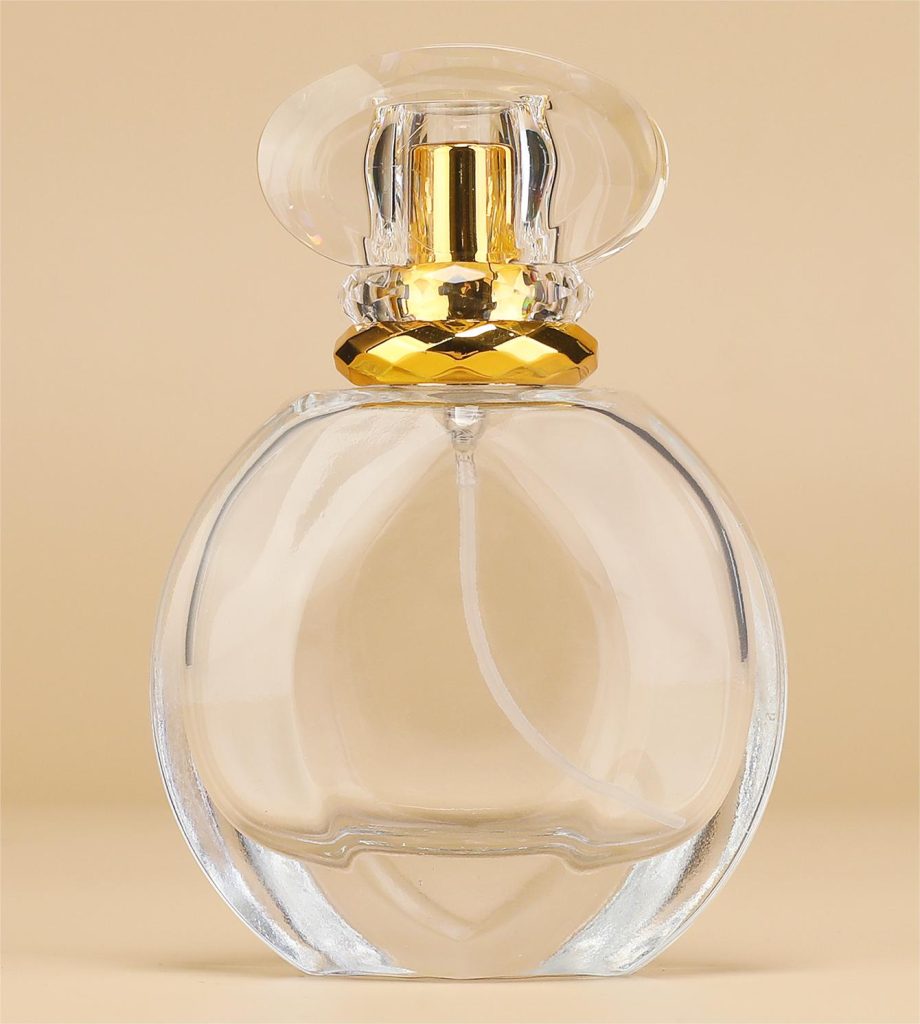
زجاجات العطور الزجاجية: الحل الأمثل والأكثر توازناً وشمولية للتغليف
لطالما كان الزجاج المعيار الصناعي لتغليف العطور، حيث هيمن على قطاعات العطور المتوسطة والعالية والفاخرة. فهو يوفر حماية فيزيائية وكيميائية مستقرة لتركيبات العطور، ويمنح المنتجات صورة سوقية أنيقة وذات ملمس مميز وقيمة عالية.
تكمن الميزة الأساسية للزجاج في توافقه الفائق مع تركيبات العطور. فباعتباره مادة خاملة غير مسامية، لا يمتص الزجاج مكونات العطر ولا يتفاعل كيميائياً مع التركيبات الكحولية والغنية بالزيوت العطرية. ويحافظ بفعالية على طبقات العطر الأصلية وثباتها، مما يضمن أداءً عطرياً موحداً من الرشة الأولى إلى الأخيرة، وهو معيار جودة أساسي لدى مستهلكي العطور.
من حيث المظهر، يمنح الزجاج خصائص فاخرة لا تُضاهى. فالزجاجات الشفافة ذات القاعدة السميكة تُعزز فوراً جودة المنتج وملمسه. أما بالنسبة لخطوط العطور الفاخرة، فإن وزن الزجاج المعتدل، ونفاذيته العالية للضوء، ولمسة سطحه الرقيقة، تُرسخ انطباعاً راقياً لدى المستهلكين حتى قبل تجربة العطر.
يُتيح الزجاج أيضًا خيارات تخصيص واسعة ومتنوعة. إذ يُمكن للعلامات التجارية تحقيق تميز شخصي من خلال التجميد، والرش السطحي، والتلوين المتدرج، والطباعة بالشاشة الحريرية، والختم الساخن، ووضع الملصقات، والنقش، والطلاء الكهربائي، بالإضافة إلى ملحقات الأغطية المُخصصة. وهذا ما يجعل الزجاج الخيار الأمثل للعلامات التجارية التي تسعى إلى التحرر من التغليف التقليدي وبناء هويات بصرية حصرية.
بالإضافة إلى ذلك، تُعدّ الزجاجات ذات الأغطية اللولبية مثالية لاستراتيجيات التعبئة والتغليف القابلة لإعادة التعبئة والاستخدام. فهي تتميز بسهولة الفتح وإعادة التعبئة، مما يدعم تصميمات المنتجات المستدامة للعلامات التجارية، كما أنها تتوافق بسهولة مع مختلف ملحقات الإغلاق.
زجاجات العطور البلاستيكية: خفيفة الوزن، واقتصادية، ولكن بجودة عالية محدودة
تتميز العبوات البلاستيكية بخفة وزنها وانخفاض تكلفة إنتاجها ومقاومتها الممتازة للصدمات، مما يجعلها مثالية للمنتجات ذات الاستخدامات المتعددة مثل عينات العطور، والعطور بحجم السفر، والهدايا الترويجية، وبخاخات الجسم اليومية. وهي خيار عملي للعلامات التجارية التي تركز على سهولة الحمل والتحكم في التكاليف لخطوط إنتاجها الأساسية.
مع ذلك، نادرًا ما يُفضّل استخدام البلاستيك في صناعة العطور الرسمية الأساسية. فهو لا يُضاهي ملمس الزجاج الفاخر، وقد تتفاعل بعض أنواع البلاستيك مع تركيبات العطور أثناء التخزين لفترات طويلة، مما يؤدي إلى تشوّه الرائحة. إضافةً إلى ذلك، فإنّ زجاجات البلاستيك عُرضة للخدش والتكثّف، بل وحتى التشوّه الهيكلي في حال سوء التخزين.
بالنسبة للعلامات التجارية التي تستهدف سوق المنتجات الفاخرة والراقية والمخصصة للهدايا، فإن التغليف البلاستيكي يُضعف جودة المنتج وصورة العلامة التجارية. ورغم أنه عملي وفعّال، إلا أنه لا يُقدم دعماً كافياً لسرد قصة العلامة التجارية الراقية وتحديد قيمتها.
سيناريوهات التطبيق الأساسية: بخاخات السفر، وقوارير العينات التجريبية، ومنتجات السوق الشامل للمبتدئين، والتغليف الترويجي خفيف الوزن.
زجاجات عطور من الألومنيوم والمعادن: حماية فائقة لمنتجات العطور المحمولة
تُستخدم مواد الألومنيوم والمعادن على نطاق واسع في صناعة بخاخات العطور، وبخاخات السفر المحمولة، والأغلفة الخارجية للعبوات. توفر العبوات المعدنية حماية ممتازة من الضوء ومقاومة للصدمات، مما يحمي تركيبات العطور الداخلية بفعالية. كما أن ملمسها المعدني الأنيق والبسيط يضفي على المنتج مظهرًا عصريًا راقيًا، بينما تلبي خصائصها خفيفة الوزن متطلبات استخدام العطور المحمولة على أكمل وجه.
تتمثل المشكلة الرئيسية في عبوات المعادن في عتامة هذه العبوات، مما يحجب عن المستهلكين رؤية لون وكمية سائل العطر المتبقي، ويقلل من جاذبية المنتج البصرية وتجربة استخدامه الحسية. في معظم الحالات، لا يمكن للمعدن النقي أن يلامس تركيبات العطور مباشرةً، لذا عادةً ما تُستخدم عبوات معدنية مع بطانة داخلية من الزجاج أو البلاستيك، مما يزيد من تعقيد التركيب.
سيناريوهات التطبيق الأساسيةتُستخدم هذه المادة في صناعة البخاخات المحمولة، وبخاخات السفر القابلة لإعادة التعبئة، وهياكل التغليف الخارجية الواقية. وهي غير مناسبة للعطور الفاخرة ذات الحجم الكامل، ولكنها تُعدّ مادةً مكمّلةً ممتازةً لتصاميم التغليف المركبة متعددة المواد.
زجاجات العطور الكريستالية: قطع فنية عالية الجودة ذات قيمة اقتنائية عالية
تُعتبر المواد الكريستالية مرادفة للفخامة والحرفية المتقنة والتغليف المميز في صناعة العطور. وهي شائعة الاستخدام في العطور ذات الإصدارات المحدودة، وعلب الهدايا الفاخرة، وخطوط الإنتاج المرموقة، مما يمنحها ملمسًا فنيًا لا مثيل له وقيمة اقتنائية عالية.
تتمثل العيوب الواضحة لتغليف الكريستال في ارتفاع تكلفته وصعوبة إنتاجه بكميات كبيرة. فالزجاجات الكريستالية أثقل وزنًا، وأكثر تكلفة في التصنيع، كما أنها أكثر عرضة للكسر أثناء النقل، مما يزيد بشكل ملحوظ من تكاليف التغليف والنقل الإجمالية. بالنسبة لمعظم العلامات التجارية، يمكن للزجاج عالي الجودة والمصمم خصيصًا أن يحقق تأثيرًا بصريًا فاخرًا مماثلًا بتكلفة أقل.
سيناريوهات التطبيق الأساسية: عطور إصدار خاص لهواة الجمع، منتجات هدايا راقية، زجاجات مزخرفة مصممة حسب الطلب، وخطوط عطور فاخرة من الدرجة الأولى.
زجاجات العطور الخزفية: سمات فنية فريدة ذات انتشار محدود
تتميز زجاجات العطور المصنوعة من السيراميك بتصميم فريد مصنوع يدويًا، وفني، ومتخصص، ما يتناسب تمامًا مع مكانة العلامات التجارية المتخصصة في العطور الفاخرة. وبفضل كونها مادة معتمة، يحجب السيراميك الضوء تمامًا، موفرًا حماية ممتازة لتركيبات العطور الحساسة للضوء.
مع ذلك، فإنّ عبوات السيراميك لها قيود صناعية واضحة. فشفافيتها تحجب رؤية لون سائل العطر وحالته؛ ويصعب التحكم في اتساق الإنتاج بكميات كبيرة، كما أنّ تقنيات تزيين سطحها أقل تنوعًا بكثير من الزجاج. ونظرًا لقيود عملية التصنيع والتكلفة، فإنّ السيراميك مناسب فقط للمنتجات المخصصة بكميات صغيرة، وليس للعبوات التجارية الشائعة.
سيناريوهات التطبيق الأساسية: التغليف الفني المخصص، والعلامات التجارية المتخصصة، والسلاسل محدودة الإصدار، والمنتجات التي تعطي الأولوية للتفرد البصري على عرض الشفافية.
مقارنة شاملة لمواد زجاجات العطور
| مادة | المزايا الرئيسية | القيود الرئيسية | أفضل ل |
| زجاج | ملمس بصري فاخر، توافق ممتاز مع العطور، قابل لإعادة التدوير، قابل للتخصيص بدرجة عالية من خلال عمليات متنوعة | وزن ثقيل نسبياً، خطر كسر مؤكد | معظم ماركات العطور التجارية، والعطور الفاخرة الراقية، والتغليف الحصري المصمم حسب الطلب |
| البلاستيك | خفيف الوزن، منخفض التكلفة، مقاوم للصدمات، عملي للغاية | يفتقر إلى الملمس الفاخر، ومخاطر محتملة على توافق التركيبة، وسهل الارتداء والتشوه | عينات عطور، بخاخات بحجم السفر، عبوات ترويجية منخفضة التكلفة |
| الألومنيوم/المعادن | خفيف الوزن، يوفر حماية ممتازة من الضوء والصدمات، بتصميم عصري بسيط. | يتطلب بطانة داخلية، معتمة، غير قادرة على عرض حالة السائل | بخاخات محمولة، بخاخات قابلة لإعادة التعبئة للسفر، عبوة خارجية واقية |
| كريستال | فاخرة للغاية، ذات قيمة فنية عالية، قطعة قابلة للاقتناء، هدية راقية | تكلفة عالية، وزن ثقيل، غير مناسب للإنتاج بكميات كبيرة، معدل خسائر لوجستية مرتفع | عطور فاخرة كهدية، سلسلة محدودة الإصدار لهواة الجمع |
| السيراميك | أسلوب فني فريد، معتم ومضاد للضوء، تركيبة قوية للحماية | لا يوجد تأثير عرض سائل، يصعب إنتاجه بكميات كبيرة، نمط زخرفي واحد | علامات تجارية متخصصة، وتغليف فني مصمم حسب الطلب، وإصدارات خاصة محدودة. |
وصلة العنق اللولبية مقابل وصلة العنق المضغوطة: ما وراء اختيار المواد، تحسين التصميم الهيكلي
بعد تحديد مادة التغليف، يُعد تصميم عنق الزجاجة قرارًا رئيسيًا آخر يؤثر على تجربة المنتج وعرضه في السوق. بالنسبة لزجاجات العطور الزجاجية الشائعة، يُعتبر عنق الزجاجة اللولبي وعنق الزجاجة المضغوط من أكثر المواصفات الهيكلية شيوعًا، ولكل منهما استخداماته الخاصة.
تتميز الزجاجات ذات العنق اللولبي بسهولة فتحها وإمكانية إعادة تعبئتها، مما يجعلها مثالية لمفهوم المنتجات المستدامة القابلة لإعادة التعبئة. وهي الخيار الأمثل لعلامات العطور المخصصة ذات الإنتاج المحدود، وسلاسل العينات، والمنتجات التي تشجع المستهلكين على إعادة استخدام العبوة.
تُستخدم زجاجات العنق المضغوط على نطاق واسع في منتجات العطور التجارية الرسمية. يتم تثبيت رأس المضخة بتقنية الضغط، مما يمنحها مظهرًا تجاريًا أنيقًا وموحدًا واحترافيًا مع أداء إحكام أفضل. إنها الخيار الهيكلي الأكثر نضجًا وموثوقية للعطور التجارية كاملة الحجم.
يجب أن يتوافق اختيار هيكل عنق الزجاجة مع استراتيجية منتج العلامة التجارية: عنق لولبي يناسب وضعيات صديقة للبيئة قابلة لإعادة التعبئة وإعادة الاستخدام، بينما عنق مجعد وهو أكثر ملاءمة لمنتجات البيع بالتجزئة القياسية التي تسعى إلى عرضها بشكل رائع على الرفوف.
استراتيجية اختيار المواد الموجهة نحو العلامة التجارية
يجب أن تتناسب مواد التغليف الأنسب مع مكانة العلامة التجارية في السوق وتصميم منتجاتها. ويمكن للعلامات التجارية إجراء اختيارات محددة بناءً على خطوط إنتاجها الخاصة.
للحصول على عطور يومية بأسعار معقولة تناسب السوق الشامل: اختر زجاجات زجاجية قياسية مزودة ببخاخات متعددة الاستخدامات وأغطية اقتصادية. هذا يقلل من تكاليف التعبئة والتغليف مع ضمان جودة المنتج الأساسية وقدرته التنافسية في السوق.
بالنسبة للعطور الفاخرة المتوسطة إلى الراقية: اختر مواد زجاجية سميكة عالية الجودة، تتناسب مع أغطية مخصصة راقية، واعتمد عمليات التجميد والطلاء السطحي والختم الساخن وغيرها من عمليات التشطيب الراقية لتعزيز قيمة المنتج وملمسه.
بالنسبة للعطور الفاخرة من الدرجة الأولى: ركّز على جودة مادة الزجاج، ووزن الزجاجة، والتصميم الهيكلي الراقي. ادمج تصميم الزجاجة، والحرفية السطحية، والأغطية، والتغليف الثانوي لخلق تجربة عطرية متكاملة وعالية الجودة، مما يجعل التغليف جزءًا مهمًا من التعبير عن قيمة العلامة التجارية.
بالنسبة لمنتجات السفر المحمولة: أعط الأولوية للبخاخات المصنوعة من الألومنيوم أو الزجاجات الزجاجية القابلة لإعادة التعبئة ذات السعة الصغيرة، مع اعتبار سهولة الحمل والمتانة المعيار الأساسي للاختيار.
بالنسبة لخطوط الإنتاج المستدامة والصديقة للبيئة: اعتمد زجاجات زجاجية متينة ذات عنق لولبي لدعم إعادة تعبئة المستهلك واستخدامها المتكرر، مما يساعد العلامات التجارية على نقل مفاهيم حماية البيئة الخضراء.
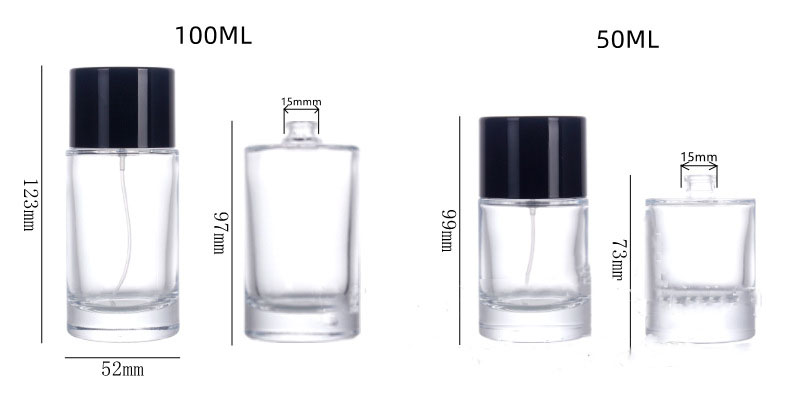
لماذا تهيمن الزجاجات المصممة حسب الطلب على سوق العطور الفاخرة؟
يُعدّ الزجاج مادة التغليف الوحيدة التي تُوازن بين حماية تركيبة العطر، وعرضه الجذاب، ومرونته في التخصيص لتناسب احتياجات علامات العطور التجارية. فهو يتكيف مع جميع أحجام العبوات، بدءًا من عبوات التجربة الصغيرة وصولًا إلى العبوات الرسمية الكبيرة، ويدعم التغليف الشفاف، والملون، والمصنفر، وغيرها من التأثيرات المادية، فضلًا عن تصاميم متنوعة. كما أنه متوافق تمامًا مع مختلف رؤوس المضخات، والأطواق، والملصقات، وتقنيات معالجة الأسطح.
تُعدّ هذه المرونة العالية ميزة قيّمة للغاية لتغليف العطور حسب الطلب. إذ يُمكن للعلامات التجارية تحقيق تمييز شخصي انطلاقًا من زجاجات زجاجية قياسية راسخة، وذلك من خلال طباعة الشعار، وتخصيص الألوان، والتزيين بالثلج، والختم الحراري، ما يُجنّبها التكاليف الباهظة والوقت الطويل اللازم لتطوير قوالب مخصصة بالكامل. إنها الحل الأمثل والأكثر فعالية من حيث التكلفة لتخصيص عبوات العطور لمعظم العلامات التجارية.
MUB هي شركة تصنيع متخصصة في عبوات العطور المصممة حسب الطلب. تشمل منتجاتها زجاجات العطور الزجاجية، وزجاجات الزيوت العطرية، وبخاخات الألمنيوم، وزجاجات موزعات العلاج العطري، وزجاجات الرول، ومنتجات التغليف البلاستيكية. تقدم الشركة خدمات متكاملة للتخصيص، بما في ذلك الطباعة الحريرية، والختم الساخن، والتزيين بالثلج، والطلاء الملون، والتلميع الدقيق، لتلبية احتياجات التغليف المتنوعة لمختلف ماركات العطور.
التوصية النهائية للصناعة
في مجال تغليف العطور التجارية، يبقى الزجاج المادة الأكثر تنوعًا وموثوقية. فهو يوفر حماية ثابتة لتركيبات العطور، ويمنح المنتج ملمسًا فاخرًا، ويدعم عمليات التخصيص الغنية، ويتكيف مع كل من الإنتاج الضخم القياسي وتصميمات المنتجات الفاخرة المخصصة. في المقابل، لكل مادة بديلة استخداماتها الخاصة: فالبلاستيك مناسب للمنتجات التجريبية منخفضة التكلفة وسهلة الحمل؛ ويتفوق الألومنيوم في تغليف البخاخات المحمولة؛ بينما يمكن للكريستال والسيراميك إضفاء لمسات فنية وفخامة فريدة على المنتجات الفاخرة المخصصة.
بالنسبة للعلامات التجارية التي تهدف إلى بناء منتجات عطور احترافية وجذابة وقادرة على المنافسة في السوق، فإن الزجاجات الزجاجية المصممة حسب الطلب هي الحل الأكثر أمانًا والأكثر فعالية من حيث التكلفة للتعبئة والتغليف.
إذا كنت بحاجة إلى إرشادات احترافية بشأن اختيار المواد، ومطابقة مواصفات عنق الزجاجة، وتأكيد السعة، وتخصيص الحرف اليدوية لخط العطور الخاص بك، فلا تتردد في تواصل مع فريق MUB للحصول على مناقشة حلول محددة، ودعم بالعينات، وعروض أسعار دقيقة.
الأسئلة الشائعة
- ما هي أفضل مادة لصنع زجاجات العطور؟
عادة ما يكون الزجاج أفضل مادة لزجاجات العطور لأنه يحمي العطر جيدًا، ويبدو فاخرًا، ويدعم العديد من خيارات التزيين المخصصة. - لماذا تُصنع معظم زجاجات العطور من الزجاج؟
معظم زجاجات العطور مصنوعة من الزجاج لأنه غير متفاعل، ويساعد في الحفاظ على جودة الرائحة، ويمنح المنتج مظهراً نظيفاً وفاخراً. - هل البلاستيك مادة جيدة لزجاجات العطور؟
يمكن استخدام البلاستيك في بخاخات السفر أو العينات أو المنتجات منخفضة التكلفة، ولكنه عادة ليس الخيار الأفضل للعطور الفاخرة أو المميزة. - ما هي أفضل مادة لصنع زجاجات العطور الفاخرة؟
يُعدّ الزجاج عالي الجودة الخيار الأمثل لزجاجات العطور الفاخرة. ويمكن دمجه مع تقنيات التجميد، والطلاء الملون، والختم الساخن، والأغطية المصممة خصيصًا لإضفاء مظهر راقٍ.