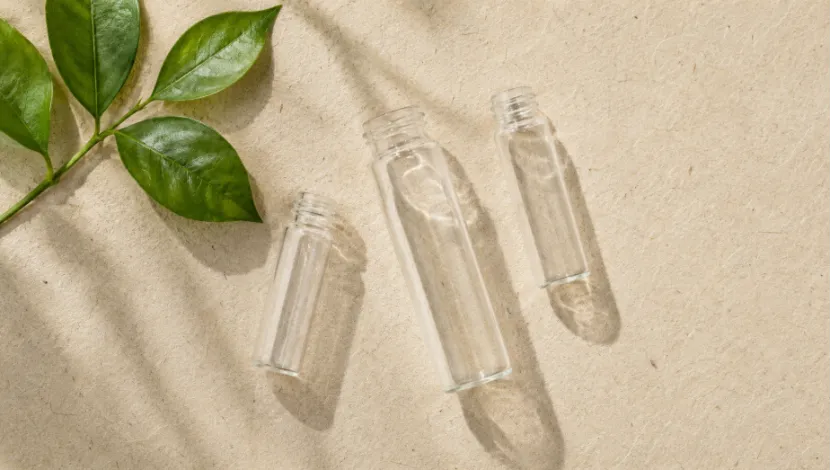
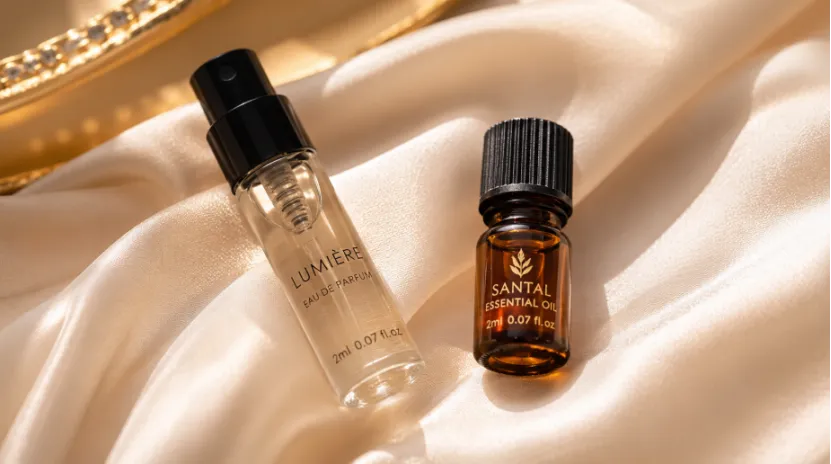
Picking glass vs plastic sample bottles seems like a tiny choice. Yet, it shapes that very first touch between your item and a buyer. Think about a 2ml perfume tester, a 3ml serum sample, or a 5ml travel spray.
These small items speak loudly before anyone even tries the liquid inside. Is it clean? Does the smell stay right? Does the look match your price? You cannot ignore these things when selling fragrance, essential oils, or skincare samples.
For beauty brands, your sample bottle material must fit the liquid, the shipping plan, and the brand vibe. Both glass and plastic work in different ways. The smart pick just depends on what you make. It also depends on how you want buyers to feel when holding that tiny bottle.
Why Does Sample Bottle Material Matter?
Sample packaging is so small that people often ignore it. Even so, cosmetic sample bottles carry a big job. Sales reps hand them out at shop counters. Workers pack them into discovery sets. Sometimes they ship through the mail or go to large distributors. A cheap touch easily ruins a high-end product. Also, a leaky sample makes a great liquid look bad.
MUB makes perfume and cosmetic packaging. Their products include perfume bottles, essential oil bottles, and aluminum perfume atomizers. They also offer aroma diffuser bottles, roll-on bottles, plastic bottles, cream jars, and glass tube bottle options. MUB started in 2011. They now have over 15 years of work in perfume packaging. They run a large 5,000 square meter warehouse.
They also provide custom features like silk-screen printing, hot stamping, frosting, color coating, and polishing. Buyers often need useful packaging, not just cute bottles. This company history matters. Sampling projects usually need fast pairing of bottle sizes, looks, caps, sprayers, and total order amounts.
Material Choice Changes the Customer’s First Impression
Even a tiny bottle brings some weight to a buyer’s hand. Glass sample bottles simply feel cleaner. They give off a top-tier vibe. Plastic sample bottles feel lighter and way more basic. Neither pick is wrong. But they do send very different signals.
Formula Safety Comes First
Does your mix have alcohol, essential oils, or fragrance compounds? Maybe it has Vitamin C, retinol, or plant extracts. If so, packaging safety is a big deal. Glass is totally solid and will not react with chemicals. On the other hand, some liquids need extra testing if you put them in plastic for a long time.
Are Glass Sample Bottles Better for Perfume and Skincare?
For lots of fragrance and active skin items, yes. Glass is usually the safer bet and looks better for brands. Many people pick glass sample bottles for perfume, facial serums, essential oils, and anti-aging treatments. Why? They guard the liquid well. They also look much nicer.
MUB’s glass tube bottle group has 0.5ml, 1ml, 2ml, and 3ml perfume essential oil sample bottles. You can find mini amber sample glass vials and 2.5ml to 10ml amber refillable spray bottles. They also stock printed scale glass perfume bottles and gradient color glass tube perfume bottles.
You can even get 5ml to 10ml spray bottles with paper boxes. These sizes work for normal sampling needs. They fit fragrance testers, travel sprays, and tiny skincare trial kits.
Better Odor Protection for Perfume Samples
Scent accuracy is everything for 香水样品瓶. A shopper might decide in ten seconds if a smell seems rich or boring. Glass perfume sample bottles rarely trap bad smells. This makes them a very strong pick for fragrance sample packaging.
A Better Match for Essential Oils and Active Formulas
Brands often select an essential oil sample bottle or an amber sample glass vial. Why? Some liquids react badly to light or the bottle wall itself. Amber glass blocks out harmful UV rays. This feature really helps protect essential oils and special skincare samples.
Stronger Premium Shelf Appeal
Do you sell discovery sets or gift boxes? Maybe you offer niche fragrance samples or salon skincare trials. If so, premium cosmetic packaging is vital. A clear or frosted mini glass bottle makes a plain 2ml sample feel fully finished. It is a small detail, sure. But buyers spot it right away.

Why Do Beauty Brands Still Use Plastic Sample Bottles?
Plastic still plays a huge part in beauty sample packaging. It is light and very tough. It also costs less for huge sampling runs. Think about giving away thousands of cleanser, lotion, or shampoo packets. Sunscreen or body wash samples also fit here. For these, plastic just makes clear sense.
Lower Cost for Large Sampling Campaigns
塑料 cosmetic sample bottles work well for promo items and budget skincare lines. They help keep the price per unit low. For new brands testing the waters, saving money is highly important.
Better for Travel and Rough Shipping
Lightweight plastic packaging is simple to carry around. It rarely breaks. This works great for gym bags and travel kits. It also suits mail parcels and daily beauty items. In this case, plastic clearly has a smart edge.
How Should Buyers Compare Glass vs Plastic Sample Bottles?
When looking at glass vs plastic sample bottles, never start with just the price. Look at your actual product first. After that, check what buyers expect. Think about your shipping plans and if people can reuse the item.
Material Safety and Formula Compatibility
Stick to glass cosmetic sample bottles for fragrance, essential oil, facial oil, and serum. They handle delicate liquids best. Pick plastic for safe, everyday products. It works well when low weight, cheap cost, or easy squeezing matter most.
Odor Preservation and Brand Feel
Want the best sample bottles for perfume? Glass is normally the top choice. A perfume glass vial gives a pure testing vibe. It matches perfectly with luxury scent brands.
Recycling and Reuse
Anyone can recycle and reuse glass. Plastic recycling is harder. It changes based on the plastic type and local city rules. Current beauty packaging trends lean toward refillable packaging. Shoppers want reusable containers and friendly recyclable glass solutions.
Shipping Cost and Breakage Risk
Glass is heavy and breaks fairly easily. So, you must buy better boxes, soft inserts, and do packing checks. Plastic is light and tough. For long trips in big loads, that price difference becomes very real.
Which Material Should Your Brand Choose?
Pick glass sample bottles if you sell perfume, essential oil, or active skincare. Facial oil and premium trial sets also need glass. Grab plastic sample bottles if you make cleanser, lotion, hair care, or sunscreen. They also fit cheap giveaways perfectly.
For many brands, the best answer mixes both. You might use refillable perfume spray bottles or custom glass sample bottles for top-selling scents. Then, you use cheap plastic for huge giveaways. That feels much more real than forcing one single style into every job.
Does your brand need cosmetic glass tube bottles or amber glass sample vials? Maybe you want a refillable glass spray bottle for fragrance and skincare testing. If so, MUB’s product range hands you many small-capacity choices to help you grow.
常见问题解答
Q1: Are glass sample bottles better for perfume?
A: Yes. Glass is almost always better for perfume. It keeps the scent pure and gives buyers a rich feeling.
Q2: Are plastic sample bottles safe for skincare?
A: Lots of plastic sample bottles are perfectly safe for basic lotions. But, you should always test strong liquids with your chosen plastic first.
Q3: What products are best for glass sample bottles?
A: Perfume, essential oils, facial serums, and facial oils. High-end skincare samples also fit very well in glass sample bottles.
Q4: Are amber glass sample vials useful?
A: Yes. Amber glass sample vials help greatly with essential oils and sun-sensitive liquids. They easily block out bad light rays.
Q5: What size sample bottles are common for beauty brands?
A: Normal sizes range through 0.5ml, 1ml, 2ml, 3ml, 5ml, and 10ml. These fit perfume samples, skincare trials, and travel sprays very well.