
Picking the right essential oil bottle is a big deal. It changes how safe the liquid stays and how your brand looks. A pretty bottle can cause headaches if the cap leaks or the material reacts badly with the oil. The best choice connects the oil, bottle, cap, and design. This guide explains how to choose essential oil bottle packaging. It covers items for retail shelves, samples, travel kits, and fresh brand launches. We will look closely at bottle types, materials, sizes, caps, labels, and quality checks.
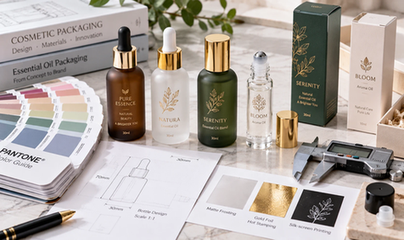
img.Glass essential oil bottles.webp
What Should an Essential Oil Bottle Protect?
Un botella de aceite esencial must block harsh light, stop the oil from drying up, and prevent messy leaks. These needs change based on your specific oil mix, filling process, and shipping route.
Light Exposure and Bottle Color
Dark glass, like amber glass, blocks a lot of light. It stops harsh sun rays from hitting the sensitive oil. This makes dark glass a smart pick for keeping oils safe. On the other hand, clear glass lets shoppers see the product. It shows off the bright color and gives a clean look. Clear glass is perfect for oil mixes that do not break down in the light. Always check if your oil gets ruined by light before you pick a bottle color.
Air, Evaporation, and Leakage
The bottle is just one part of the seal. The inner plug, dropper, roller ball, spray pump, cap, and bottle neck all play a part. Sometimes a cap fits, but it does not seal tight. This bad seal can make the oil dry up or cause leaks. Ask the supplier to test if your oil works with the whole cap setup. Test physical samples upside down and move them around.
Which Essential Oil Bottle Type Fits Your Product?
The best bottle type matches how buyers will use your oil. Each style needs special parts and careful testing. Droppers, roller balls, and spray pumps all serve different daily needs.
botellas gota
Dropper bottles are perfect for strong essential oils. They work great when buyers want to add one drop at a time. The glass tube, rubber bulb, and bottle neck must work as a team. Check how much oil comes out with one squeeze. Watch the liquid go back into the pipette. Make sure the cap screws on tight to stop messy drips.
Roller Bottles
Roller bottles are amazing for travel items. The tiny roller ball can be glass, metal, or plastic. A good roller bottle should glide smoothly. It should never get stuck or dump too much liquid. You must check the roller insert, bottle neck, and cap together. Test a sample by standing it up, laying it flat, and turning it upside down to spot sneaky leaks.
botellas de pulverización
Spray bottles are best for items that need a wide mist. The spray pump, the plastic straw (dip tube), and the bottle neck must all get along nicely. Good spray action means the right amount of mist comes out. A supplier should test the spray top on your exact chosen bottle.
How Do You Choose the Right Essential Oil Bottle Material?
Picking a material is a huge step. You must think about bright light, toughness, rough shipping, and your brand’s vibe.
Glass Essential Oil Bottles
Glass bottles are super popular for premium essential oils. Amber glass blocks bad light well. Clear glass lets people see the lovely oil inside. But remember, glass adds heavy weight and can break easily. Before you pick a glass bottle, check if the walls are smooth. Check the neck size and see if the cap fits tight.
Plastic Essential Oil Bottles
Plastic bottles are wonderful for light items and travel kits. You can use plastics like PET, PP, or HDPE. The best choice depends on your oil mix and alcohol content. Never pick plastic just for looks. Always ask for a safety test with your actual formula.
Material Selection Checklist
Use these easy questions to pick materials:
Formula: Does the mix hold strong essential oils or alcohol?
Light: Does the liquid need to hide from the sun?
Use: Will buyers drop the oil, roll it on, or spray it?
Shipping: Will the package travel through rough handling?
Brand: Do you want a premium glass look or a light plastic style?
Order: Are you buying a stock bottle, or a totally new shape?
What Essential Oil Bottle Size Should You Choose?
The bottle size should match how long the oil lasts. Tiny bottles are awesome for samples and travel bags. Medium sizes are the standard pick for items people use every day. Huge bottles are meant for refill stations. A tiny bottle still needs enough room for a clear label and a cap you can twist easily. A medium bottle has to look good on a shelf. A massive bottle must have a wide flat base. Pick the capacity after you know exactly how you will fill it.
How Should You Design Essential Oil Bottle Closures and Labels?
Caps and labels have important jobs. They help with using the oil, reading the facts, and holding the bottle safely.
Closure and Dispensing Components
A dropper gives out tiny drops. A roller ball rubs wet oil onto the skin. A spray pump shoots a soft mist. Make sure you confirm the neck size, inner plug, dip tube, and outer cap. See if you can twist the cap on and off many times without it getting stuck.
Label Size and Information Layout
Your sticker label has to wrap neatly around the bottle. The design needs enough blank space for the product name, size, and usage rules. Try rubbing the label with messy oil to see if the ink rubs off. Check the sticker on a physical sample bottle.
Custom Decoration Options
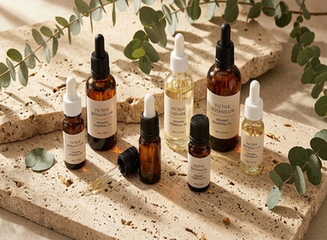
Custom touches make your bottles unique. MUBTF offers essential oil bottles and related cosmetic packaging options. Its listed customization services include silk-screen printing, hot stamping, frosting, color coating, and polishing. Request a project-specific recommendation, because the available finish and rules change based on your bottle and artwork.
img.Custom oil bottle finishes.webp
What Should You Check Before Ordering Custom Essential Oil Bottles?
Before you buy anything, write down your whole product idea into a clear specification. This stops surprise changes later on.
Information to Include in a Supplier RFQ
Tell the factory the bottle type, material, size, color, neck size, cap requirements, and decoration method. Give the total target quantity and shipping destination. Ask the factory if the bottle is stock, semi-custom, or fully custom. Find out if they have to build a new mold.
Sample Approval Checklist
Look closely at the sample. Check the bottle dimensions, weight, wall appearance, and color consistency. Check if the cap fits tight. Look for wet leakage and check the label position. Keep one approved sample in your office for safety.
MOQ, Mold, and Lead-Time Questions
Ask how the minimum order quantity (MOQ) works. Does it apply to just the bottle, or the whole set? MUBTF’s website promotes low-MOQ options and lists a 500-piece MOQ on its homepage, while specific projects should be confirmed through a quotation. The website also presents mold costs from $200 for certain custom projects. Treat this as an indicative starting point. The true final cost depends on the bottle design, mold structure, finish, and quantity.
How Can MUBTF Support Essential Oil Bottle Customization?
MUBTF’s product range includes essential oil bottles, roll-on bottles, plastic bottles, and other cosmetic packaging categories. Its services page can be used to discuss bottle selection, decoration, and customization requirements. The company also provides an About Us page with helpful information about its packaging business and a Contact Us page for quick project inquiries. Share the intended bottle type, capacity, closure, decoration, estimated quantity, and destination market to get a true quotation.
FAQ
Q1: What Is the Best Bottle for Essential Oils?
A: The right bottle depends on the formula, light sensitivity, dispensing method, capacity, and shipping conditions. Glass dropper bottles suit controlled dispensing, while roller and spray bottles support different application methods.
Q2: Are Glass Bottles Better for Essential Oils?
A: Glass bottles are widely used when a brand needs a stable container surface and a premium appearance. The final choice should be checked against the formula, closure, handling method, and transport requirements.
Q3: What Size Bottle Is Best for Essential Oils?
A: Choose the size according to the product’s use cycle, sales format, and customer expectations. Small sizes suit samples and travel products. Medium and larger sizes can serve daily-use, professional, or refill applications.
Q4: What Color Bottle Protects Essential Oils from Light?
A: Amber and other dark-colored bottles reduce light exposure more effectively than clear bottles. The required protection depends on the formula and its sensitivity to light.
Q5: Should Essential Oils Use a Dropper, Roller Ball, or Spray Pump?
A: Use a dropper for controlled drops, a roller ball for direct topical application, and a spray pump for misting. Test the selected component with the bottle neck and formula before production.