
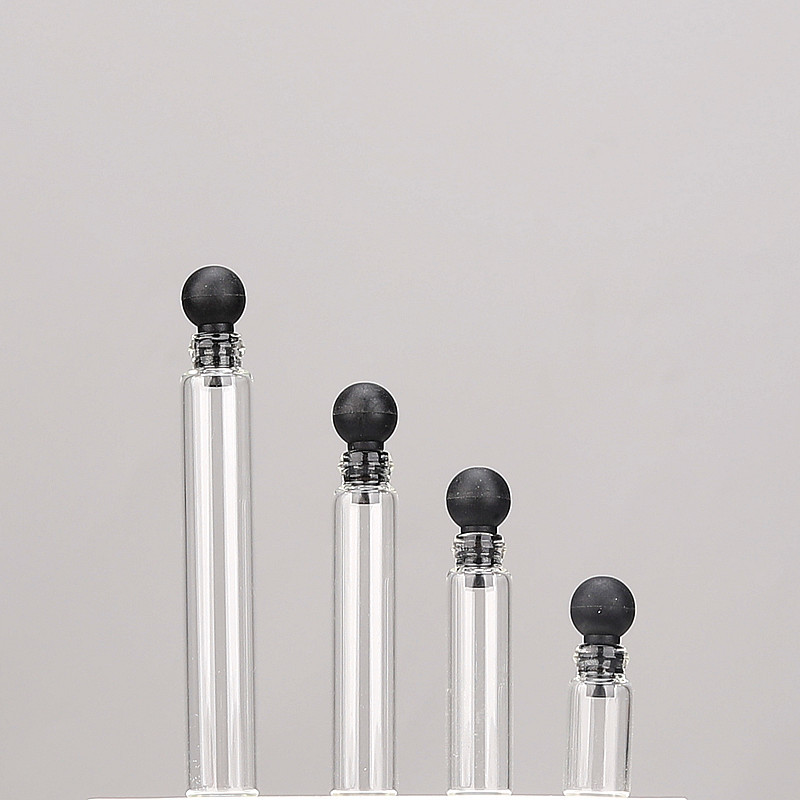
Decant packaging looks simple until you run a real program. You need bottles that spray well, ship well, and still feel “worth keeping” in a customer’s hand. Size choice decides how long people can test the scent. Material choice decides breakage risk and shelf feel. Supplier choice decides whether your next reorder matches the last one. This guide lays out practical picks, with clear use cases, so you can choose faster and waste less.
What Makes a Decant Bottle “Right” for a Perfume Brand?
Un bon bouteille décante is not “small.” It is predictable. Before jumping into sizes and materials, it helps to set a few checks that match real buying behavior and real logistics.
Size Fit and Use Scenario
Start with the job. Are you mailing samples to cold leads, building a discovery set, or selling travel refills? Each job needs a different wear window. A short window pushes quick feedback. A longer window supports repeat wear, different weather, and more honest opinions. For most brands, size is also the easiest knob to turn when budgets tighten.
Material and Spray Performance
Decant bottles fail in two boring ways: they leak, or they spray poorly. A weak pump can spit on the first press, then mist on the fifth. That messes with the scent test and it annoys users. If you care about repeat orders, spray feel matters as much as bottle looks.
Cost, MOQ, and Supply Stability
Unit cost is only one line. Cost per contact is the real number. A slightly better bottle can cut returns, complaints, and reshipments. MOQ also shapes your plan. If you want to test three scents in small batches, you need a supplier that can support that pace without turning every change into a painful reorder cycle.
Recommended Decant Bottle Sizes for Different Brand Types
Size is where most teams overthink, then still guess. A cleaner approach is to map sizes to common programs. Here is a practical set that works across most perfume brands.
0.5ml to 1ml for Wide Outreach
If the goal is reach, keep it small. These sizes work for mass mailers, event handouts, and “try it once” moments. They also reduce liquid loss if a campaign underperforms. Just be honest about the wear time. Many users will only get a few wears, so feedback can be quick and sometimes blunt.
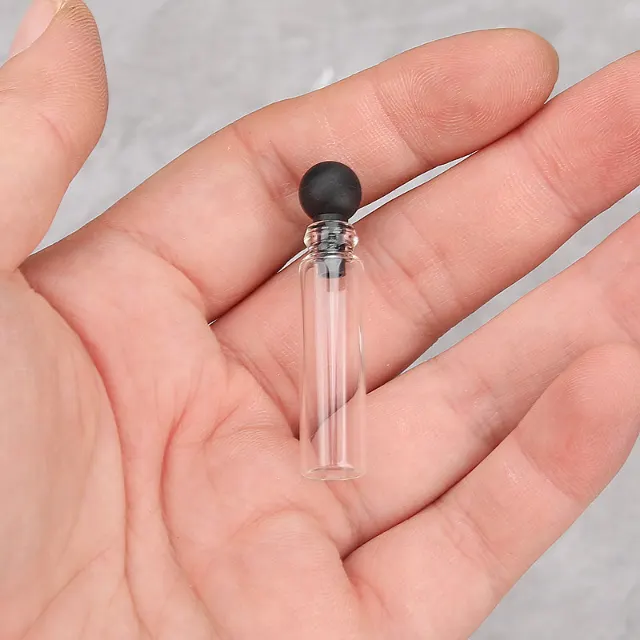
For this stage, options like recommeded decant bottles in 0.5ml and 1ml formats make sense when you need clean glass, a stable tube, and consistent looks across a big batch.
2ml to 3ml for Real Testing
This is the sweet spot for serious sampling. A 2ml or 3ml unit gives enough time for a customer to wear the scent on different days, not just once. It also fits brands that want feedback before committing to a full production run. In practice, 3ml often becomes the “default test size” for many programs because it feels generous without being expensive.
If you are building a sampling system, decant bottles for perfume brands in the 2ml to 3ml range also work well for discovery sets. They fit boxes nicely, they keep shipping weight low, and they still feel like a real product, not lab ware.
5ml to 8ml for Mini Daily Use and Travel
Once you move above 3ml, the user behavior changes. People stop treating the item as a “test” and start treating it like a mini bottle. This is great for warm leads, subscriptions, VIP gifting, and travel kits. It is also where spray quality becomes even more noticeable, because the bottle gets used more often.
If your model involves travel, refills, or monthly boxes, keep your format consistent. Customers like a simple routine. They toss a bottle into a bag and expect it not to leak.
Recommended Decant Bottle Materials and Structures
Material choice is not a style debate. It is a risk decision. It affects breakage, look, and how premium the product feels even before the first spray.
Glass for Premium Feel and Clear Presentation
Glass is still the default for fragrance because it looks clean and it feels “real.” High-transparency glass also helps in photography and unboxing. Many brands prefer thick, stable tubes that stand straight, with smooth surfaces that take printing well. For alcohol-based products, odorless, clean glass matters. Nobody wants a bottle that smells like the container.
In the small-format world, perfume decant bottles made from clear glass vials and test-tube styles are common because they ship well and keep a neat, uniform look across sizes.
Plastic for Low Breakage and Lightweight Shipping
Plastic can be a smart choice for rough shipping lanes or very high-volume distribution. It lowers breakage risk and it is lighter in bulk. The trade-off is feel. Some buyers read plastic as “cheap,” even when it performs fine. If you go plastic, keep the design clean and the sprayer reliable, or the whole item can feel like a throwaway.
Metal-Sleeved Atomizers for Travel Use
For travel-heavy programs, sleeved atomizers add protection. They also reduce the “glass in a backpack” worry. If travel is a key channel, durability matters more than fancy decoration.
Comparing Common Decant Bottle Supplier Types (Not a Ranking)
Supplier choice shapes your day-to-day reality. Some suppliers are great for fast experiments. Others are better for stable reorders and matching retail formats. Seeing the types side by side helps you pick the model that fits your stage.
Common Decant Bottle Supplier Types Compared
| Type de fournisseur | Typical Examples | Strengths | Limits | Best Fit Scenarios |
|---|---|---|---|---|
| Full-Line Packaging Suppliers | MUB, Berlin Packaging, TricorBraun | Wide size coverage, stable supply, can align decants and retail bottles | Custom work may need clearer planning | Brands building a long-term packaging system |
| Decant and Travel Specialists | Travalo, generic travel-atomizer brands | Strong travel focus, compact formats, refill-friendly designs | Limited bottle families, less support for retail scaling | Travel kits and refill programs |
| Premium Glass Makers | large glass manufacturers serving beauty | High-end glass feel, consistent finishes | Higher MOQs, longer lead times | Established brands with fixed designs |
| Small OEM Workshops | local ODM/OEM shops | Flexible prototyping, quick changes | Quality can vary across batches | Early experiments and short runs |
Where MUB Fits in This Landscape
If you want a steady path from small sampling formats to larger programs, a full-line supplier model is often easier. MUB fits here because small vials, sample tubes, and related packaging can sit in one system instead of being pieced together from unrelated sources. That helps you keep glass tone and presentation consistent across sizes, which matters more than people admit. A customer notices when the “small version” and the “real version” look like they come from different worlds.
How Brands Combine Decant Bottles in One Strategy
Most brands do not win by picking one size forever. They win by sequencing. Small formats for reach, mid formats for honest testing, larger minis for travel and loyalty. Keep your labeling simple. Keep your spray feel consistent. Then customers can move from first try to repeat use without feeling a reset.
A small human note: if your decant program is messy, customers assume the scent is messy too. It is not fair, but it happens.
Why MUB Works for Sampling and Decant Programs
MUB (Yiwu Yujin Import & Export Co., Ltd.) focuses on fragrance and cosmetic packaging with a practical range that supports real launch stages. With more than 15 years in perfume packaging, MUB supplies small glass vials and sample tubes from 0.5ml to 3ml, plus related formats that help brands run sampling, discovery sets, and early market tests. The emphasis is on clean, high-transparency glass, stable tube structure, and production checks that reduce leakage and damage during shipping. Decoration options such as printing and surface treatments help small formats look like part of a brand system, not random lab pieces. For teams that care about repeat orders and consistent presentation across batches, MUB is a steady option when you need flexible small sizes and a reliable packaging workflow.
FAQ (questions fréquentes)
Q1: What size should you start with for a new sampling program?
A: For most brands, 2ml or 3ml is a safe start. It gives real wear time without wasting liquid.
Q2: Are glass decant bottles always better than plastic ones?
A: Not always. Glass feels more premium, but plastic can make sense when breakage and shipping weight are the main problems.
Q3: Can you mix 1ml and 3ml in the same campaign?
A: Yes. Use 1ml for wide reach, then upgrade to 3ml for warm leads who want a longer test.
Q4: What makes customers complain about decant bottles most often?
A: Leaks and bad spray feel. A clean mist and tight sealing cut issues fast.
Q5: Do decant bottles work for retail sales, or only sampling?
A: They can work for retail in sets, travel kits, and subscriptions. The key is making the format feel finished, not temporary.