
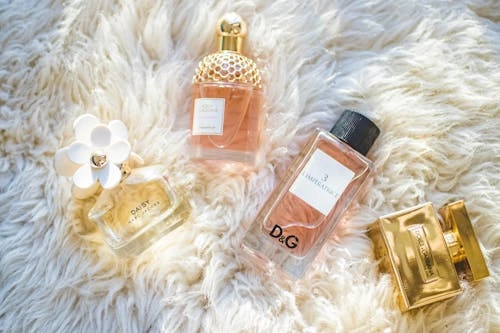
A smartly picked perfume spray bottle does more than hold the liquid. It connects the smell to feelings, and the brand to how people use it. The sprayer decides how the perfume comes out. It controls the amount that hits the skin. It also affects how long the scent stays in the air. No matter if your product aims at fancy buyers or everyday folks, the best spray setup can shape how the fragrance spreads. It can also improve the whole package.
If you need custom packaging ideas, check out Yiwu Yujin Import & Export Co., Ltd. (MUB). They are an experienced maker of perfume bottles with more than 15 years in the business. They offer many choices like crimp and screw bottles, aluminum atomizers, roll-ons, and essential oil containers. With a 5,000㎡ warehouse and low MOQs starting at 500 pcs, MUB has stock items and full custom designs. These work well for new startups and big brands. From frosting and hot stamping to logo printing and color coating, MUB’s customization services help your brand get noticed. Want to start or update your scent collection? Contact MUB today for helpful advice.
Key Components That Make Up a Perfume Spray Bottle
A perfume bottle sprayer is not just a simple nozzle on a nice-looking bottle. It is a set of carefully made parts. They work as a team to release the fragrance in a steady way.
Main Parts of a Perfume Sprayer
Every part of the sprayer has its own role. This role changes how the fragrance goes on. The actuator is what you push to let out the scent. Under it is the nozzle. That part manages the drop size and spray spread. Next is the pump mechanism. It creates pressure and turns the liquid into a spray. The dip tube reaches down into the perfume. It pulls the liquid up to the pump. Finally, closure types like crimp or screw finishes hold it all tight.
A perfume spray bottle is often called an atomizer. This device changes liquid into a light mist.
How Design Affects Performance
The spray angle sets the coverage. Picture it like light: narrow for strong focus, wide for a soft feel. Tiny droplets stick around longer on skin and clothes. Bigger ones make a stronger first hit. The material counts too. Glass keeps the fragrance pure better than plastic. But glass is heavier and can break easier.
An atomizer uses air pressure to split perfume into small bits. This makes a mist.
Exploring Different Types of Perfume Bottle Sprayers
The sprayer type you pick depends on looks, but also on the user, how often they use it, and where. It is not just about style.
Fine Mist Sprayers for Daily Use
People like these sprayers for their good mix of spread and gentleness. They give an even cloud. That is great for putting on all over.
Fine mist sprayers are handy and steady. They keep a even flow for many pushes. You see them in scents for men and women alike.
Micro-Fine Atomizers for Precision Application
For adding scents in layers or with top-quality mixes, micro-fine atomizers fit right. They make a very light mist. The release is almost quiet. It feels classy and low-key.
Micro-fine or nano sprayers show the newest tech in perfume spraying. They give super-small, almost feather-like drops.
Crimp and Screw Sprayers: Functional Differences?
Crimp sprayers get fixed forever on the bottle neck. They stop leaks well but you cannot refill them. This suits fancy perfumes. Screw sprayers let you add more liquid. So they work for trips or people who care about the planet.
Crimp sprayers are sealed onto bottles—non-refillable but secure.
Screw sprayers are refillable and more common in travel-size packaging.
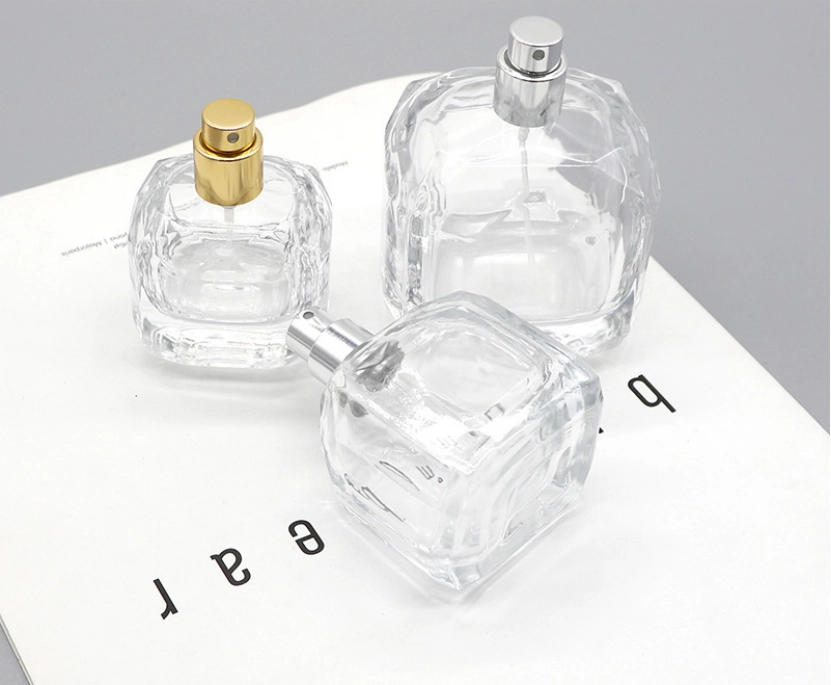
One good example is the MUB Square Glass Perfume Bottles 30ml 50ml 100ml. It has crimp spray heads and caps you can customize.
Airless Pumps for Sensitive Skin Products
Airless pumps keep air away completely. They use vacuum pressure to push out the fragrance. These suit baby perfumes or folks with touchy skin. They stop spoiling and dirt from getting in.
They fit better for touchy mixes. But you do not always need them unless air harms the scent.
Trigger Sprayers for Body and Room Fragrance
These bigger spray tools feel easy to hold. They put out more liquid each time. You find them in room sprays or body mists. Those are made to freshen big spots fast.
Trigger pumps go well with room sprays or pillow mists. They need wide spread.
Roll-On and Splash Bottles as Alternatives to Sprayers
Roll-ons have a little ball. It puts oil-based perfumes right on key spots. Splash bottles are from the old days. But they still show up in mixes without alcohol or handmade scents, so they’re popular in oil-based or alcohol-free fragrances.
Matching Perfume Sprayer Types with Daily Scenarios
When you choose a sprayer type, think about the time and place of use. Do not just focus on the look.
Morning Routines and Office Settings
A fine mist sprayer gives steady coverage. It will not overwhelm coworkers or clients. It stays quiet but works well for regular wear.
Fine mist sprayers are ideal for everyday perfumes, body sprays, and promotional gift sets.
Travel, Gym Bags, and On-the-Go Moments
Screw-top atomizers do great here. They let you refill, stay small, and resist leaks. A solid travel choice might be MUB Wholesale Diamond-Shaped Glass Bottles 70ml. It mixes style with real use.
Evening Events or Special Occasions
You need class in how the scent comes out and in the look. Micro-fine atomizers give that soft touch. It helps when you layer fragrances.
Home Use and Wellness Spaces
Trigger pumps cover big areas like sheets or rooms. They make using easy. Plus, they add a nice mood with smell.
Factors That Influence Your Choice of Perfume Spray Bottle
The feel of your fragrance is not the only thing to check for packaging. Daily life, brand image, and real needs count just as much.
Fragrance Type and Viscosity Matter
Thick oils can block small nozzles. Pick roll-on bottles if your mix is heavy or oil-like.
Thicker oils may clog micro-sprayers—opt for roll-ons instead.
Usage Frequency and Lifestyle Habits
If your buyers use perfume every day, they may like options to refill. This saves money in the long run.
Daily users may prefer refillable screw sprayers for cost-efficiency.
Aesthetic Preferences and Brand Identity
Looks shape what people think before the scent touches skin. Clear glass hints at clean purity. Metal finishes yell high-end style. Frosted looks give a gentle vibe. Frosted finishes add softness; metallic coatings suggest luxury.
Material Choices in Modern Perfume Packaging
What you pick for material changes the product touch. It also affects green points and safe shipping.
Common Materials Used in Perfume Bottles
Glass is the old favorite. It feels solid, looks nice, and stays steady with chemicals. Plastic like PET gives break-proof strength. That helps a lot for trip sets.
Glass: Classic, recyclable, retains scent integrity well.
Plastic (PET/PP): Lightweight, shatterproof—ideal for travel sizes.
Surface Treatments That Affect Look & Feel
Color coating, shining, or hot stamping add a top touch. They do this without changing how it works. These can boost your brand style well.
Eco-Friendly Packaging Trends
Buyers want green choices more now. So pumps that recycle and options that break down easy are getting popular.
MUB supports this shift by offering eco-conscious packaging options that don’t compromise on design or performance.
Innovations Shaping the Future of Perfume Spraying
It is not only about looks these days. It is about how things work over time. And it is about less harm to the earth.
Refillable Systems Gaining Popularity
Stores now have spots to refill bottles. This cuts down trash well. It also helps keep customers coming back.
Refill stations at retail stores reduce waste while encouraging brand loyalty.
Smart Atomizers Entering the Scene
Some bottles have sensors for dose control now. They are still rare. But they could change things for brands that like tech.
How Brands Decide on the Right Sprayer Type
It is more than shape. It is about how it works plus a plan.
Key Considerations During Selection
Brands look at who they sell to. Like travelers versus home stayers. They check the scent type, oil or water-based. And they think about if it is fancy or simple.
Target demographic behavior (e.g., frequent travelers vs homebodies).
Fragrance concentration (EDT vs EDP vs oil).
Testing Before Launch
Before picking the final package, brands do checks. They look at spray shapes, drop sizes, and if materials match the oils. And other things too.
Brands often perform spray tests to evaluate dispersion patterns, spray count per ml, and material compatibility with fragrance oils.
FAQ
Q1: What is the difference between a fine mist sprayer and a micro-fine atomizer?
A: A fine mist delivers slightly heavier droplets suited for general use; micro-fine atomizers release an ultra-light mist perfect for layering or luxury scents.
Q2: Can I refill my perfume bottle?
A: Only if it uses a screw-top mechanism; crimped bottles are sealed permanently and not designed for reuse.
Q3: Which type is best for travel?
A: Screw-top mini atomizers are ideal—they’re leak-proof, TSA-compliant, and easy to refill from your main bottle.
Q4: Are airless pumps better than regular spray bottles?
A: They’re better if your formula is sensitive to air exposure or prone to oxidation; otherwise, traditional pumps often suffice.
Q5: How do I know if my perfume packaging is eco-friendly?
A: Check if it uses recyclable materials like glass or PET plastic—or if it’s labeled refillable by your packaging supplier.