
Designing custom perfume bottles starts with a brief and ends with an approved, assembled package. Between those points, work through the bottle concept, component selection, decoration, filled samples, and shipping configuration. Give each stage a clear output so the next discussion begins with an agreed reference.
The following process offers a practical framework for fragrance brands, designers, and procurement teams. Use it to organize supplier discussions and sample reviews, then adapt the sequence to the project. Agree responsibilities, required samples, and approval criteria before committing to an order.
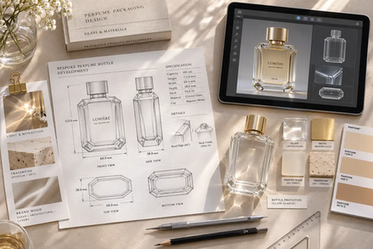
1. Define the Brief for Your Custom Perfume Bottles
Confirm Brand Direction and Product Requirements
Start with the intended audience, fragrance positioning, and visual direction. Include reference images and explain which features matter: the overall outline, proportions, decoration area, cap appearance, or presentation box.
Add the intended fill volume, approximate size, usage context, and sales channel. Review MUB’s perfume bottle collection when discussing possible starting shapes. Identify your preferences without assuming that every listed design meets every project requirement.
Identify Decision Owners and Open Questions
Assign someone to approve appearance, someone to confirm filling and assembly requirements, and someone to consolidate supplier questions. One person may hold several roles, but name them explicitly.
Separate confirmed requirements from preferences. For custom perfume bottles, record unresolved questions about the formula, closure, decoration, or packing method. End this stage with a brief that shows what the supplier should evaluate and which decisions remain open.
2. Choose a Design Route and Develop the Concept
Compare an Existing Shape With a New Bottle Concept
Ask the supplier to discuss suitable existing shapes and any proposed new bottle concept against the same brief. Compare proportions, decoration space, component choices, and sampling requirements.
Request project specific information about tooling, quantities, development work, and commercial terms where relevant. Avoid choosing a route from an assumed universal price or lead time. Document what each proposal includes before comparing it with another option.
Review Sketches and Proportions With the Supplier
Prepare front and side views showing the proposed bottle, cap, and artwork position. Include dimensions that need discussion, clearly identifying any measurements still awaiting confirmation.
For custom perfume bottles, ask which design decisions need technical review before the concept progresses. Agree what reference will be used next: an existing sample, drawing, model, or another representation the supplier confirms is appropriate. Save the selected concept and its unresolved questions together.
For example, a hypothetical fragrance brand might compare an existing rectangular bottle with a proposed rounded shape. Put both beside the same cap and artwork references. Ask what each option would require before sampling, then record the supplier’s answers. Keep the comparison focused on the brief, including any dimensions or presentation details the brand considers essential.
3. Review the Bottle, Pump, and Cap Together
Confirm Component Interfaces and Assembly Questions
Review the bottle, pump, collar, and cap as a set. The project knowledge recommends coordinated packaging selection, including the holder and mailing box.
Discuss the bottle neck, pump fit, cap fit, and movement inside the box when assessing leakage risks. Ask the responsible suppliers to confirm the proposed combination. Record which parts have been physically reviewed and which are still represented only by a drawing or photograph.
Keep the Drawing and Component List Aligned
Give the selected configuration a reference number. List each component with its drawing, sample, or supplier reference, then use that list during discussions about assembly.
When developing custom perfume bottles, keep visual changes and component changes in the same project record. If the cap or pump is replaced, ask what needs checking again. The output should be an identified configuration with open fit and assembly questions assigned to specific owners.
4. Develop and Approve the Decoration
Place the Logo, Fragrance Name, and Color References
Apply the brand name, fragrance name, and other planned information to the selected bottle concept. Review the front, back, and sides at the intended size.
Specify the proposed colors and artwork orientation. Ask the supplier which decoration options are appropriate for the selected bottle. Use MUB’s perfume bottle surface finishing guide to prepare questions, then request confirmation for the actual project.
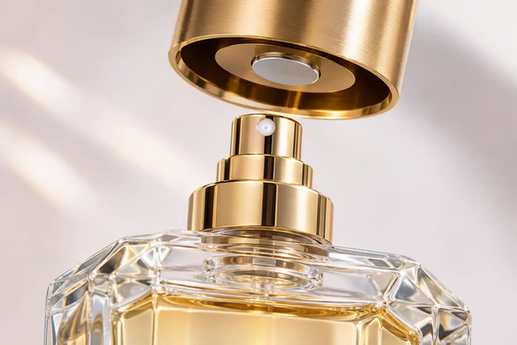
Review Physical Decoration and Agreed Adhesion Checks
Request a decorated sample with the proposed placement and appearance. Review it beside the cap and outer packaging, using an agreed reference for color and layout.
For painted decoration, agree how adhesion will be checked. Keep the method and acceptance criteria specific to the project. Close this stage with an identified decoration sample, artwork version, and written record of accepted differences or required revisions.
Send one consolidated response after the decoration review. Identify each requested change on an annotated image and connect it to the relevant artwork file. Distinguish an accepted detail from an unresolved question, and ask the supplier to acknowledge the revision before preparing the next sample.
5. Evaluate Filled Samples and the Shipping Pack
Review the Complete Filled Sample
Before a large order, request real samples of the bottle, pump, collar, cap, holder, and outside box. The knowledge base recommends filling samples and reviewing the assembled pack.
Agree who supplies the filled sample and who evaluates it. Operate the pump, remove and replace the cap, and record observations. Discuss appropriate handling with the responsible team rather than treating a brief sample review as proof that every performance requirement has been met.
Check the Holder and Mailing Box With the Bottle
Pack the sample as intended for mailing. Review the bottle’s position, support, and movement together with the assembled components.
MUB’s guidance on perfume packaging for online orders addresses this complete package approach. The project knowledge also highlights support for tall bottles and holders around square bottle corners. Consider those points where relevant to the selected shape.
For custom perfume bottles, finish with a sample review record identifying the configuration, packing method, observations, and unresolved issues. Agree any further evaluation needed for the intended product and distribution route.
6. Finalize the Design and Production Handoff
Consolidate the Approved Sample and File Versions
Bring the accepted physical references and files into one approval record. Identify the bottle configuration, decoration artwork, component list, and packing method.
Use the following table as a suggested handoff template. Adapt the fields to the project and assign an owner to each outstanding item.
|
Stage |
Confirm before proceeding |
Keep as the reference |
|---|---|---|
|
Brief |
Product needs and design direction |
Accepted requirements |
|
Concept |
Shape and proposed proportions |
Selected concept |
|
Components |
Bottle, pump, collar, and cap configuration |
Component list and sample |
|
Décoration |
Appearance and agreed checks |
Artwork and decorated sample |
|
Emballage |
Filled pack and mailing arrangement |
Sample observations and packing record |
Resolve Changes Before Release
Before ordering custom perfume bottles, review the open questions with the supplier. Record what is accepted, what needs revision, and who can authorize a change.
If the supplier proposes an alternative component or decoration adjustment, compare it with the approved reference. Decide which sample or file must be updated and whether another review is needed. Confirm order specific quantities, timing, and commercial terms directly with the supplier.
For the final review meeting, use the same agenda with the brand, procurement, and supplier teams. Read through the accepted references together, assign remaining actions, and record the release decision. Keep that record accessible to everyone responsible for the next stage, and document the agreed next steps.
7. Questions About the Custom Perfume Bottle Design Process
What Should a Brand Prepare Before Contacting a Supplier?
Prepare the brief, visual references, intended fill volume, approximate size, preferred components, and packing needs. Include existing artwork where available. Mark undecided points so the supplier can respond to specific questions without treating every preference as a final requirement.
Can Decoration Be Developed Before the Bottle Shape Is Final?
Explore color and typography during concept work, while keeping placement provisional. Confirm the final artwork against the selected bottle and a decorated physical sample. Ask the supplier which changes to the shape or components would require the decoration to be reviewed again.
What Should Be Confirmed Before Placing an Order?
Confirm the accepted configuration, sample references, artwork versions, packing method, and unresolved issues. Agree responsibilities for further checks and revisions. Review the quotation and order details against those same references.
To start your custom perfume bottles project, contact MUB with your design brief. Bring clear requirements and questions, then work toward an assembled sample and documented decisions that everyone involved can identify.