
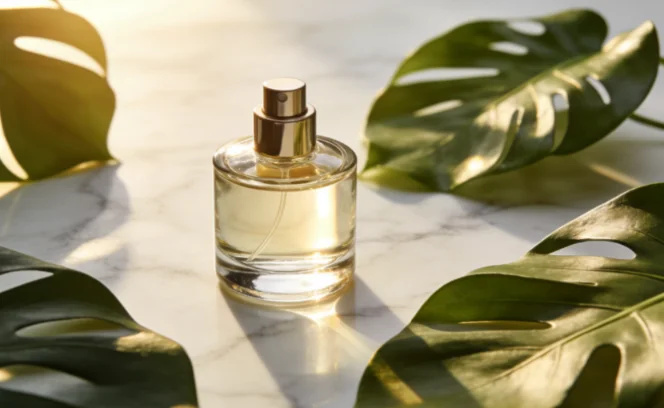
De nieuwe realiteit van geurverpakkingen in 2026?
Het opzetten van een nieuwe cosmetische lijn betekent nu geconfronteerd worden met een aantal harde realiteiten. Het is 2026 en de Europese doelstellingen voor verpakkingsafval zijn niet langer slechts beleefde suggesties. Regionale mandaten komen elke maand dichterbij. Kopers en retailpartners streven ernaar om aan deze nieuwe nalevingswetten te voldoen. De grootste angst die startups op dit moment treft, is om hun handtekeningsgeur goedkoop te maken om te voldoen aan groene normen. Je wilt een duurzame geurverpakking, maar je wilt zeker geen ruwe of bewolkte afwerking die voelt als een kortingsbody spray.
Navigeren door strengere regelgeving
De push naar milieuvriendelijke parfumverpakking wordt sterk gedreven door harde consumentengegevens. Recente industrie analyse toont aan dat luxe kopers eigenlijk een beetje meer willen betalen voor hernieuwbare materialen. Maar de esthetiek moet overeenkomen met de premium prijs. De nieuwe basislijn vereist verpakkingen die identiek lijken aan ongerepte materialen, terwijl ze rustig een gecertificeerde duurzame achtergrond dragen. Veel oprichters raken in paniek en kopen goedkope gerecyclede plastic doppen die na een maand op een heet magazijnplank gelen worden. Het gebeurt de hele tijd. Echte duurzaamheid vereist slimme materiaalwetenschap.
Hoe los je de glazen paradox op?
Glas is zeer recyclebaar en heeft de ultieme luxe status in de schoonheidswereld. Maar om het te produceren, moeten ovens branden bij enorme temperaturen. Het verschepen van zwaar glas wereldwijd creëert ook een enorme koolstofvoetafdruk. Dit creëert een echt frustrerende paradox voor merken die proberen strakke emissiedoelstellingen te bereiken terwijl hun product er duur uitziet.
Gewicht verminderen zonder prestige te verliezen
De onmiddellijke oplossing is het verminderen van het glasgewicht. Maar als je te veel glas wegneemt, voelt de fles ongelooflijk licht en goedkoop in de hand. Het geheim is het houden van het gewicht geconcentreerd precies waar de gebruiker de luxe voelt. Een nauwkeurig gevormde dikke bodemglas fles geeft dat bevredigende en zware thud wanneer geplaatst op een ijdelheid tafel. De zijwanden van de fles kunnen iets dunner worden ontworpen om grondstoffen en transportemissies te besparen. U krijgt de luxe optica zonder dat de onnodige massa uw supply chain metrics neersleept.
Waarom ontploffen hervulbare aluminiumsystemen?
Flessen voor eenmalig gebruik krijgen ernstige terugkeer van jongere demografie. Ongeveer 59% van de luxe kopers zoekt nu expliciet naar modulaire of navuldbare opties voordat ze een aankoop doen. Als uw productlijn een klant dwingt om de paar maanden een mooi, zwaar glas object weg te gooien, zullen ze gewoon ergens anders winkelen.
De overgang naar metaal
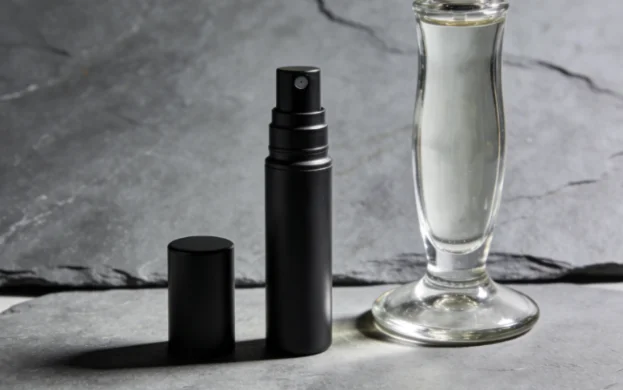
Aanbod hervulbare parfumflessen Het is vandaag in principe verplicht. De duurzaamste manier om refills voor reizen te hanteren, zijn metalen onderdelen. In het bijzonder nemen aluminium parfum atomizers de reisschoonheidsmarkt volledig over. Aluminium is lichtgewicht, blokkeert UV-licht volledig om delicate geurolieën te beschermen tegen afbraak en kan oneindig worden gerecycled zonder de structurele kwaliteit te verliezen. Het is perfect zakelijk zinvol om een grote glazen fles voor de slaapkamer en een slanke aluminium atomizer voor de handtas te verkopen.
Is het tijd om plastic in de supply chain opnieuw na te denken?
Plastic krijgt veel haat in de schoonheidssector. Consumenten stellen zich meteen oceaanafval voor als ze het woord horen. Maar het volledig verwijderen van plastic uit spuitpompen, dompelbuizen en kragen is op dit moment mechanisch onmogelijk. U hebt nog steeds geavanceerde polymeren nodig voor chemische weerstand en een goede vloeistofdichting.
Verwijken van gemengde materialen
Het gesprek verschuift naar bio-gebaseerde polymeren en mono-materialen. Als uw pompmechanisme gebruik maakt van vijf verschillende soorten plastic en een metalen veer, zal een recyclingfaciliteit het gewoon in een stortplaats gooien. Je moet je supply chain ondervragen. Bij het verkrijgen van onderdelen moet u uw parfum fles fabrikant direct over de interne structuren van de pompen. Een upgrade naar chemisch gerecyclede ionomeerharsen biedt de glasachtige helderheid die u nodig hebt voor doppen, terwijl het product echt groen blijft. Als de pomp niet kan worden verwerkt, heb je eigenlijk geen recyclebare parfumflessen op je handen. Het is grappig hoeveel merken een groen bladlogo op een doos slaan terwijl de pomp zelf een totale recyclingnachtmerrie is.
Kan uw verpakking echt worden ontworpen?
Dit brengt de grootste technische trend van het jaar naar voren die is het ontwerpen voor demontage. Een fles is nutteloos voor een recyclingfabriek als de metalen kraag permanent op de glazen hals wordt gebroken. De consument heeft een duidelijke manier nodig om de componenten gemakkelijk te scheiden wanneer het sap leeg is.
De mechanica van echte recycling
Het vinden van een fabriek die deze techniek vanaf de eerste dag krijgt, reddt een merk van totale mislukking. Gelegen in Yiwu, China, MUB opereert als een zeer gespecialiseerde fabrikant die precies deze complexe verpakkingsuitdagingen voor B2B-parfumklanten wereldwijd aanpakt. Je hebt een partner nodig die voorspelt op regelgevingsveranderingen, en ze leveren stabiele en passende kwaliteit naast zeer concurrerende prijzen. Wat echt opvalt is hun punctuele levering en ongelooflijk duidelijke communicatie, twee dingen die meestal overzeese toeleveringsketens breken. Werken met een toegewijde leverancier zoals deze betekent dat u de pijnlijke trial and error fase volledig overslaan. Ze bieden een enorme inventaris van bestaande premium vormen. Dit helpt cosmetische startups om hoge kosten voor aangepaste gereedschappen te vermijden, terwijl ze toch een op maat gemaakte, high-end look bereiken door aangepaste kleuren en logo's. Ze hanteren alles van zwaar glas tot gespecialiseerde roll-on-eenheden. Voor end-of-life recycling is het ontwerp van de componenten van cruciaal belang. In plaats van een permanente krimpdichting te dwingen, maakt het gebruik van een precisie-bewerkte schroefglasfles de koper in staat om de pomp eenvoudig af te draaien. U kunt hun nieuwe ontwerpen& Populaire items om te zien hoe deze mechanica werkt. De consument kan vervolgens het glas wassen voor een aanvulling of de afzonderlijke materialen gemakkelijk in de juiste bakken gooien. Het is een kleine mechanische schakelaar, maar het verandert de levenscyclus van het product volledig.
Veelgestelde vragen
Q1: geven consumenten echt om milieuvriendelijke verpakkingen?
A: Ja. Uit recente gegevens blijkt dat meer dan de helft van de luxe kopers een premie zal betalen voor verpakkingen gemaakt van hernieuwbare of gerecyclede bronnen. Het heeft direct invloed op aankoopbeslissingen en merkloyaliteit op dit moment.
Q2: Zijn hervulbare systemen duurder te produceren?
A: Aanvankelijk kost het ontwikkelen van de modulaire componenten iets meer. Maar het aanbieden van refills bouwt enorme merkloyaliteit op en verlaagt de kosten van goederen voor herhaalde aankopen aanzienlijk.
Q3: Wat maakt een spuitpomp moeilijk te recyclen?
A: De meeste standaardpompen gebruiken een complexe mix van verschillende kunststoffen, rubberen dichtingen en een metalen veer. Recyclingfaciliteiten kunnen deze kleine delen niet efficiënt scheiden, dus wordt de hele eenheid afgewezen.
Q4: Betekent het kopen van milieuvriendelijke groothandel parfumflessen het omgaan met hoge minimale bestelhoeveelheden?
A: Niet altijd. Veel moderne leveranciers hebben voorraad van duurzame glasopties en aluminium-atomizers met zeer beheersbare orderminima die specifiek zijn ontworpen om startups sneller te helpen lanceren.
Q5: zullen duurzame plastic caps er goedkoop en bewolkt uitzien?
A: Geavanceerde biocirculaire polymeren nabootsen eigenlijk het exacte gewicht en de optische helderheid van traditionele luxe kunststoffen of zelfs glas. Het visuele verschil is in principe onzichtbaar voor het blote oog.